

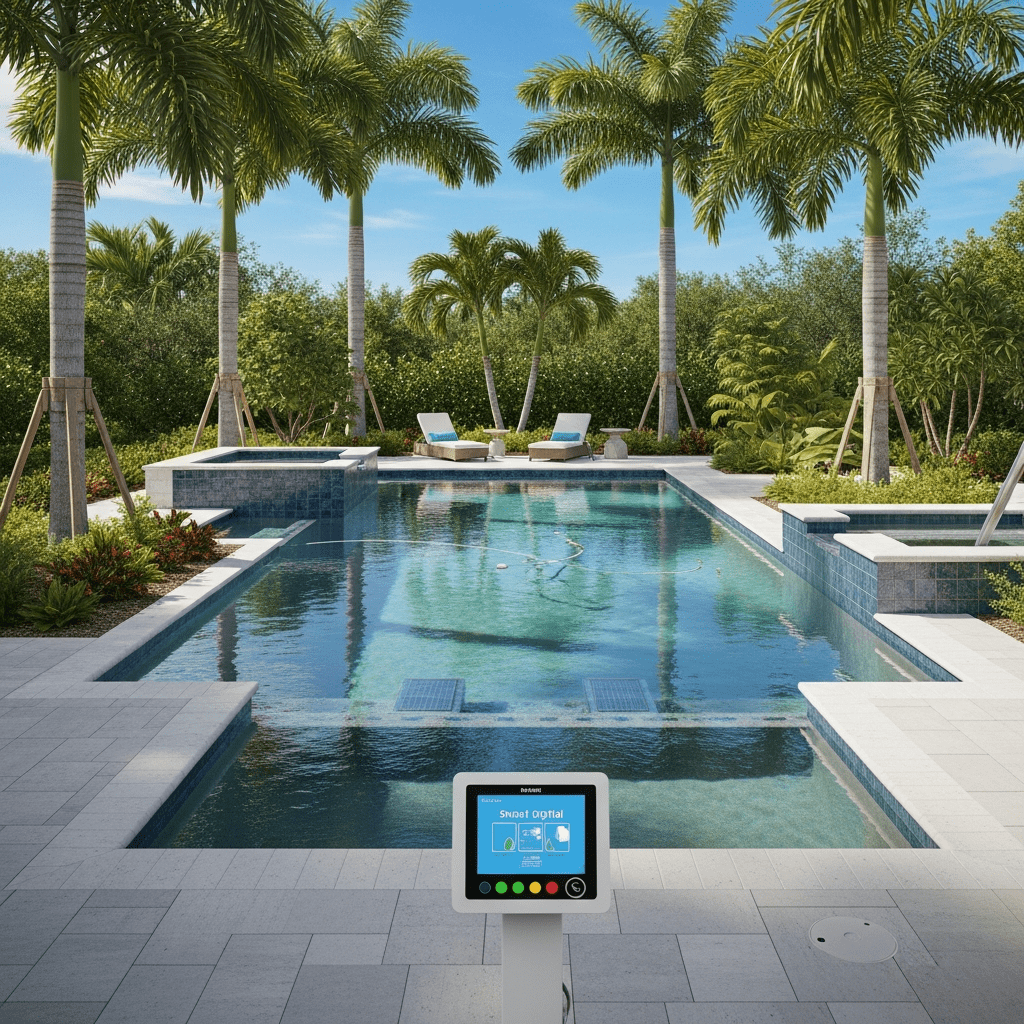
Energy-Efficient Pool Systems for Estero Homeowners
Florida’s warm climate makes backyard pools a year-round pleasure, but without careful planning, keeping a pool comfortable can drive up energy bills. For Estero homeowners who want crystal-clear water, comfortable temperatures, and lower operating costs, choosing energy-efficient pool systems is the smartest move. This guide covers practical upgrades and design choices that reduce energy use, save money, and keep your pool ready for fun.
Why energy efficiency matters for Estero pools
A pool’s biggest energy consumers are the pump, heater, and lights. In a place like Estero, where pools are used often and for long seasons, those systems can represent a significant portion of a household’s utility bill. Energy-efficient equipment lowers electricity and fuel consumption, reduces greenhouse gas emissions, and often increases the pool’s lifespan. Plus, many upgrades pay for themselves through lower operating costs, and can increase home resale value.
Start with the pump: variable-speed is the game changer
Traditional single-speed pumps run at full power whenever they’re on. Variable-speed pumps let you run the pump at lower speeds for routine circulation and higher speeds only when needed (cleaning, filtration cycles, or powering a spa). Because pump energy use scales roughly with the cube of the speed, running at half speed can cut energy use by more than half. Benefits include:
- Lower energy bills and quieter operation.
- Better filtration (longer, gentler circulation).
- Eligibility for utility rebates and incentives in many areas.
Tip: Size the pump to the pool’s required flow; oversizing wastes energy. A certified pool technician can calculate the correct pump size for your piping and equipment layout.
Efficient filtration and smarter run schedules
Filtration keeps water healthy, but you don’t need to run pumps 24/7 to achieve good water quality. Combine these tactics:
- Use a variable-speed pump and schedule longer runs at low speed rather than short runs at high speed.
- Consider cartridge filters which can have lower head loss and require less frequent backwashing than sand filters, saving water and energy.
- Install timers or smart controllers that adjust run times by day or by water chemistry readings.
Automated systems that respond to sensors (temperature, chlorine, turbidity) help avoid unnecessary runs while ensuring water remains safe.
Heat smart: heat pumps, solar, and insulation
Heating is often the largest recurring cost for maintaining a pleasant swimming temperature. Estero’s mild climate creates excellent opportunities for efficient heating:
- Heat pumps extract ambient air heat and are much more efficient than electric resistance heaters or gas in many conditions. They work best when the air temperature stays relatively warm.
- Solar pool heaters and solar thermal panels are ideal in sunny Estero. They have a higher up-front cost but very low operating cost and can extend the swim season for a fraction of the fuel cost of gas heaters.
- Pool insulation and thermal blankets (automatic or roll-up covers) dramatically reduce heat loss overnight and through evaporation. A covered pool retains heat and cuts heating costs by 30–70%, depending on climate and use.
- If you still use a gas heater for occasional rapid heating, consider a hybrid approach: run a heat pump or solar system for baseline heat, use gas sparingly.
LED lighting and low-voltage fixtures
Pool and landscape lighting add beauty and safety, but traditional incandescent or halogen lights draw lots of power. LED pool lights use a fraction of the energy, last longer, and produce less heat. Modern LED fixtures offer adjustable colors, dimming, and integration with smart controllers.
Smart automation and demand management
A pool controller, either a dedicated pool automation system or a smart home integration- can orchestrate pumps, heaters, lights, and cleaners to run when energy is cheapest or most efficient. Advanced systems:
- Start circulation during off-peak electricity hours.
- Coordinate heater and pump cycles to avoid simultaneous high loads.
- Monitor water chemistry and run circulation only as needed.
Automation reduces wasteful manual operation and simplifies maintenance.
Water conservation and efficient cleaning
Conserving water reduces the need for heating fresh make-up water and lowers the load on filtration systems.
- Use efficient cleaners (robotic pool cleaners) that circulate less water than some suction cleaners.
- Fix leaks promptly and use pool covers during long periods of non-use to reduce evaporation.
- Opt for cartridge filtration where appropriate to reduce backwash frequency.
Design choices that improve long-term efficiency
Energy efficiency starts at the design stage:
- Minimize plumbing runs and avoid unnecessary elbows to reduce friction losses.
- Use larger diameter pipes where practical; they have lower head loss at typical flow rates.
- Design shallow and deep areas thoughtfully; extremely large volumes require more energy to heat and circulate.
- Position equipment in shaded, ventilated areas to help heat pumps and other gear operate more efficiently.
Landscaping for passive savings
Strategic landscaping reduces wind exposure and provides shade that cuts evaporation:
- Plant windbreaks (hedges, fences) to reduce heat loss from wind.
- Use deciduous plants that allow winter sun but shade in summer.
- Hardscape placement can reduce heat gain on equipment and create microclimates that improve heater efficiency.
Maintenance: small efforts, big savings
Regular maintenance keeps systems operating at peak efficiency:
- Clean and backwash filters as recommended.
- Check pump baskets and skimmer lines for debris.
- Inspect seals, valves, and pipe fittings for leaks.
- Keep heat pump coils clean and clear of vegetation.
Well-maintained equipment uses less energy and lasts longer.
Cost, incentives, and ROI
Many energy-efficient pool upgrades have attractive payback periods. Variable-speed pumps, LED lighting, and pool covers typically pay back in a few years via electricity savings. Check local utility programs and state incentives for rebates on high-efficiency pumps, heat pumps, and solar installations; these can significantly lower upfront costs.
Final thoughts for Estero homeowners
An energy-efficient pool blends comfort, beauty, and responsible stewardship of resources. Start with the big wins: a variable-speed pump, a pool cover, and efficient heating, then layer in smart automation, LED lighting, and design tweaks. Not only will you reduce monthly bills, but you’ll also enjoy a quieter, more reliable pool that’s kinder to the planet.
If you’d like, I can draft a homeowner checklist tailored to your pool size and equipment, or recommend a step-by-step retrofit plan that balances upfront costs with expected savings.

0 Comments